Higher crop production
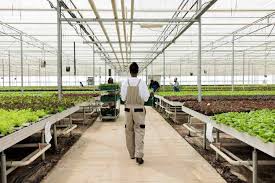
Higher crop production is achieved by implementing precision agriculture, improving seed varieties, optimizing soil health, and utilizing efficient irrigation. Key strategies include integrated pest management, rotating crops to maintain fertility, and using climate-resilient seeds. High-yield systems often rely on balanced nutrient application and modern technology .
Time saving method
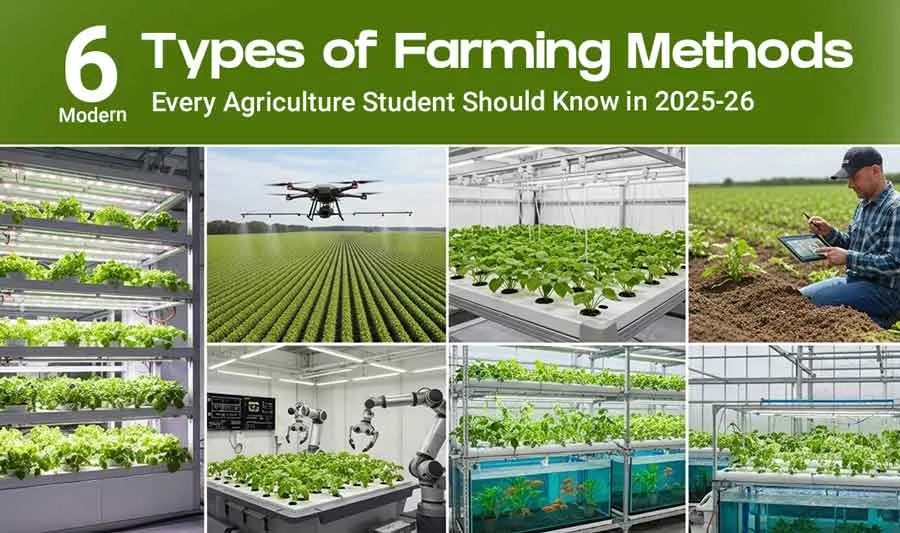
Modern farming utilizes advanced technologies and techniques to significantly reduce the time spent on manual labor, allowing farmers to increase efficiency and productivity. Key time-saving methods in modern agriculture include the adoption of automation, drones, and data-driven precision tools
Better irrigation

Better irrigation involves adopting high-efficiency methods like drip irrigation, which can reduce water use by 30–60% while increasing crop yields. Key improvements include using soil moisture sensors, weather-based controllers, and automation to deliver water directly to root zones, cutting evaporation and waste. Modern, precise, and well-maintained systems are essential for water conservation.
Improve seeds
Improving seeds involves selecting high-yield, disease-resistant, and climate-resilient varieties (such as hybrids or GMOs) to enhance agricultural productivity and food security. Key techniques include seed coating (nutrients/pest protection), proper cleaning
Use of technology

Modern farming technology enhances efficiency and sustainability through precision agriculture, IoT sensors, and automation, reducing input costs by up to 60%. Key tools include GPS-guided tractors, drones for crop monitoring, AI for predictive analytics, and vertical farming,
Pest control

Modern pest control in agriculture prioritizes Integrated Pest Management (IPM), combining biological, mechanical, and technology-driven methods to minimize chemical reliance