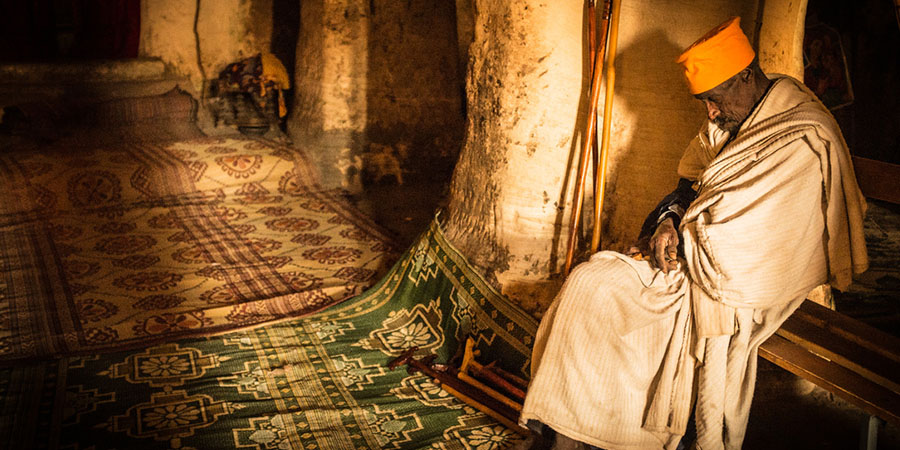
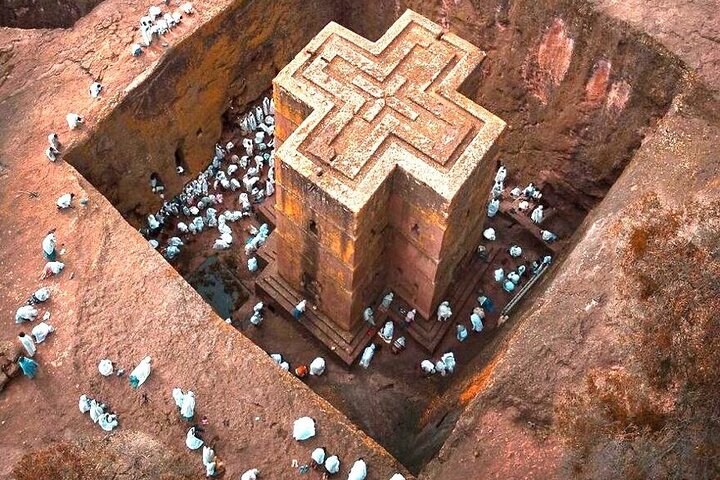
From the rock-hewn churches of Lalibela to the peaks of the Simien Mountains, Ethiopia offers a cultural depth found nowhere else on earth. We guide you through the hidden paths of this ancient land.
ETHOS is a collective of local storytellers and travelers dedicated to showcasing Ethiopia beyond the typical tourist trails. We believe in slow travel, authentic connection, and preserving the dignity of local traditions.
To become the most trusted digital sanctuary for those seeking the true "Abyssinia"—from the bustling markets of Addis to the quiet monasteries of Lake Tana.
Honest, unfiltered daily accounts from travelers exploring the highlands and lowlands alike.
Exclusive guides on local etiquette, traditional dress, and religious fasting seasons.
Hidden location recommendations designed for beginners and seasoned explorers.
One of the lowest and hottest places on Earth, home to the otherworldly Dallol sulfur springs.
Ancient rock-hewn churches hidden high in the sandstone cliffs of Tigray.
One of Africa's largest open-air markets. A sensory explosion of spices and local energy.
The "Camelot of Africa"—a fortress-city in Gondar that served as the home of emperors.
The walled city of 82 mosques and the famous night-time hyena feeding tradition.
"Exploring the Danakil Depression felt like visiting another planet. ETHOS provided the perfect context."
— Julian M., Journalist"The Genna festival in Lalibela was the most spiritual experience of my life."
— Amara K., HistorianTravel between Bahir Dar and Lalibela is best done via domestic flights for efficiency.
Located in the South. Requires a 4x4 vehicle and a local guide starting from Jinka.
Home to the ancient walled city of Harar. Reachable via a short flight to Dire Dawa followed by a scenic one-hour drive into the mountains.
Involves roasting beans and brewing in a 'Jebena', serving three rounds: Abol, Tona, and Bereka.
Injera (sour flatbread) served with various stews. Try 'Doro Wat' for the ultimate experience.
Ethiopia follows a 13-month calendar that is roughly seven years behind the Gregorian system. Time is also measured differently, with the day starting at dawn (6:00 AM is 12:00 local time).