AutoCore
How the Electrical System Works
Key Components
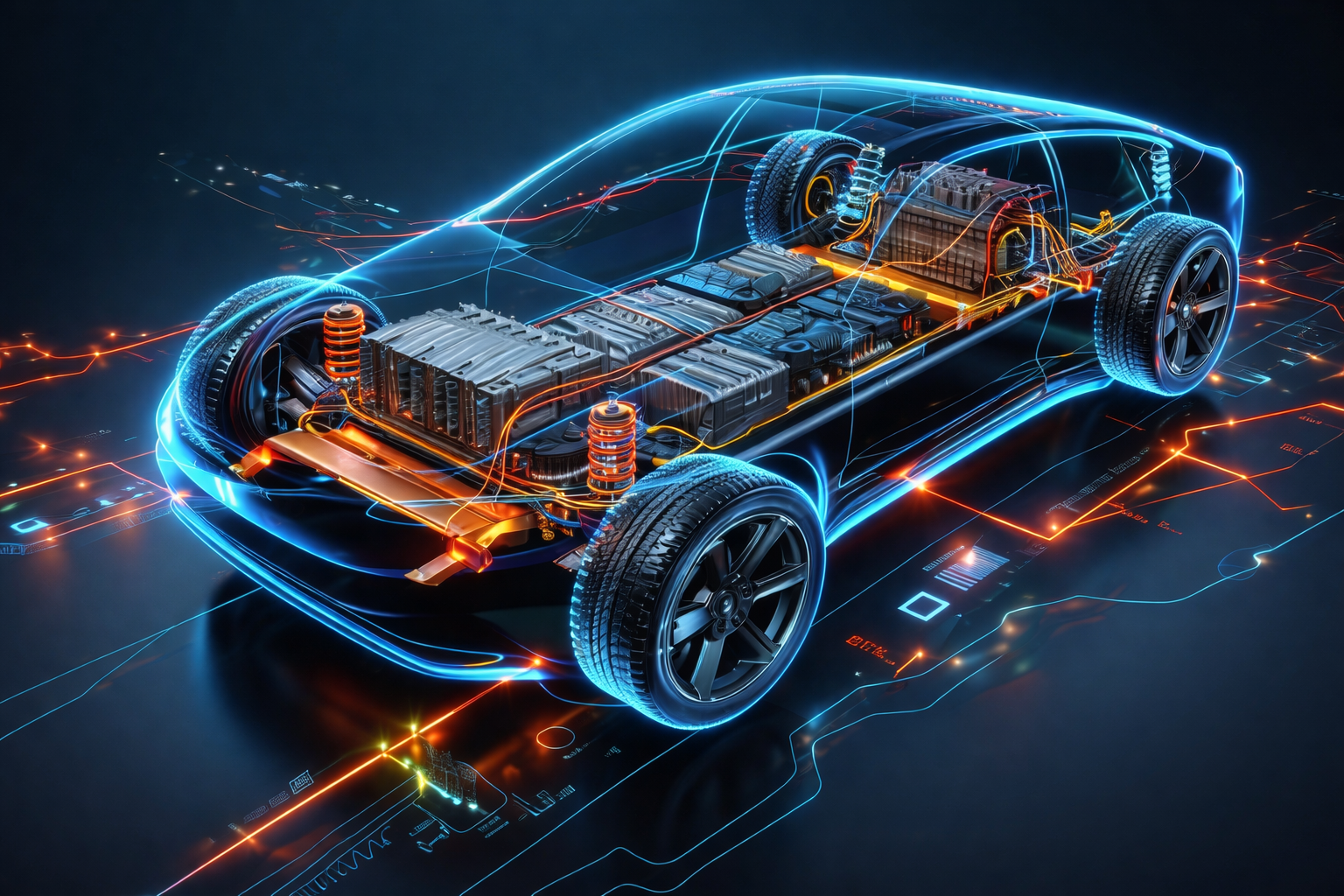
The electrical system in a vehicle is responsible for generating, storing, and distributing electrical power to various components. The battery provides the initial energy required to start the engine and supports electrical functions when the engine is off. Once the engine is running, the alternator takes over by generating electricity and recharging the battery. Wiring and connectors act as pathways, allowing current to flow between components efficiently. Fuses and relays protect the system from electrical overload and control the flow of electricity to different parts of the vehicle. In addition, the electrical system powers essential features such as headlights, dashboard displays, ignition systems, sensors, and entertainment units. Modern vehicles also rely heavily on electronic control units (ECUs), which use electrical signals to monitor and manage engine performance, fuel efficiency, and safety systems.
Common Problems and Troubleshooting
Electrical system problems can occur due to wear and tear, poor connections, or component failure. A weak or dead battery is one of the most common issues and can prevent the vehicle from starting. Faulty alternators may fail to charge the battery properly, leading to power loss while driving. Damaged or corroded wiring can interrupt the flow of electricity, causing lights or electronic devices to malfunction. Blown fuses are another frequent issue and usually indicate an overload or short circuit in the system. Diagnosis often involves checking battery voltage, inspecting terminals for corrosion, testing the alternator output, and examining fuses and wiring connections. Regular maintenance, such as cleaning battery terminals, ensuring tight connections, and replacing worn-out components, helps prevent major failures. Keeping the electrical system in good condition is essential for the overall performance, safety, and reliability of the vehicle.